
Are you ...
Feeling on edge or finding it hard to slow down
If your mind is racing with thoughts, or your body feels tense, restless, and on edge, therapy can provide a safe space for you to explore what lies beneath your anxiety, and support you to find more balance and calm.
Feeling depressed, disconnected, or unsure of what matters
When life feels heavy or aimless, we invite you to gently explore what’s under the surface — to work through life's hurts, and connect with energy, meaning, and what matters deeply to you.
Carrying memories or experiences that still feel heavy
Past experiences can ripple into how you see yourself and the world. Therapy provides a sanctuary to tend to those experiences and begin healing at your own pace.
Being hard on yourself or feeling like you’re never enough
If you often feel like you fall short, or struggle to rest, therapy can help uncover the roots of those patterns and guide you toward a kinder relationship with yourself.
Feeling stretched thin or running on empty
When demands feel relentless, we can pause together, explore boundaries, and re-connect you with what nurtures and sustains you.
Finding emotions confusing, overwhelming, or hard to express
If you sometimes feel numb, disconnected, or unsure why certain emotions arise, therapy can help you gently make sense of what’s present and support a more conscious and compassionate response.
Navigating change, loss, or the absence of something important
Losing someone or something deeply valued can unsettle your world. Therapy offers a caring space to move through grief, honour what’s been lost, and find small, steadying steps forward.
Noticing patterns that once helped you cope but now feel stuck
When overwhelm leads to habits that feel hard to shift, we can gently explore what those strategies have been protecting — and discover more nourishing ways to care for yourself.
Wanting closeness but finding connection or trust hard to build
If emotional intimacy feels unsafe or trust is hard to come by, therapy can help you examine relational barriers and gradually build more confidence in connection.


Collaborative therapy, informed by your lived experience
Sanctum Integrative Psychology provides evidence-based psychological support for adults wishing to understand their emotional experiences, manage stress, and explore patterns that may be contributing to ongoing difficulties. Our work is integrative, trauma-informed, and depth-oriented, creating a reflective space in which experiences can be explored with care, curiosity, and respect for each person’s history and context.
Our therapeutic approach draws primarily on Schema Therapy, as well as Acceptance and Commitment Therapy (ACT), Compassion-Focused Therapy (CFT), and Cognitive Behaviours Therapy (CBT). Treatment is collaborative and responsive, guided by your goals and undertaken at a pace that feels appropriate and supportive.
- Experiences of low mood or depression
- Feelings of anxiety, worry, or internal tension
- Stress and the impact of ongoing demands
- Complex or developmental trauma
- Grief, loss, and significant life transitions
- Questions of identity, meaning, or purpose
Start your journey at your pace
When you feel ready to take the next step, we’re here to walk alongside you. You can reach out to arrange a confidential session in Tamborine Mountain or connect with us via telehealth anywhere in Australia.
Our approach to integrative psychology
Our work is grounded in the understanding that emotional wellbeing is shaped by many factors — including past experiences, current stressors, relationships, identity, and the 'bodymind's' (Maté, 2003) responses to the world around us. Rather than focusing solely on symptoms, we look at the broader patterns and contexts that may be influencing how you feel and respond.
As a Clinical Psychologist, I draw on a range of evidence-based and depth-informed approaches to support reflection, insight, and new possibilities for responding to life’s challenges. The therapeutic process is collaborative, paced, and guided by your goals and preferences.
Each session provides space for reflection, understanding, and the development of new ways of relating to yourself and others. We recognise that experiences across family, culture, environment, and identity all contribute to how we learn to cope and connect. By approaching these influences with curiosity and care, therapy can become a place where clarity and emotional wellbeing gradually emerge.
Therapy may draw from:
- Schema Therapy (ISST Advanced Certified) - Supporting the exploration of longstanding emotional and relational patterns, and how they may be influencing your present experiences and behaviours.
- Acceptance & Commitment Therapy (ACT) - Developing flexibility in how you relate to thoughts, emotions, and internal experiences, with an emphasis on values-aligned living.
- Compassion-Focused Therapy (CFT) - Cultivating a kinder and more supportive inner stance, particularly where self-criticism or shame feels familiar.
- Cognitive Behavioural Therapy (CBT) - Working with the interaction between thoughts, feelings, and behaviour to develop practical skills for responding to challenges.
Each session provides space for reflection, understanding, and the development of new ways of relating to yourself and others. We recognise that experiences across family, culture, environment, and identity all contribute to how we learn to cope and connect. By approaching these influences with curiosity and care, therapy can become a place where clarity and emotional wellbeing gradually emerge.
To become human is to become visible while carrying what is hidden as a gift to others.
- David Whyte

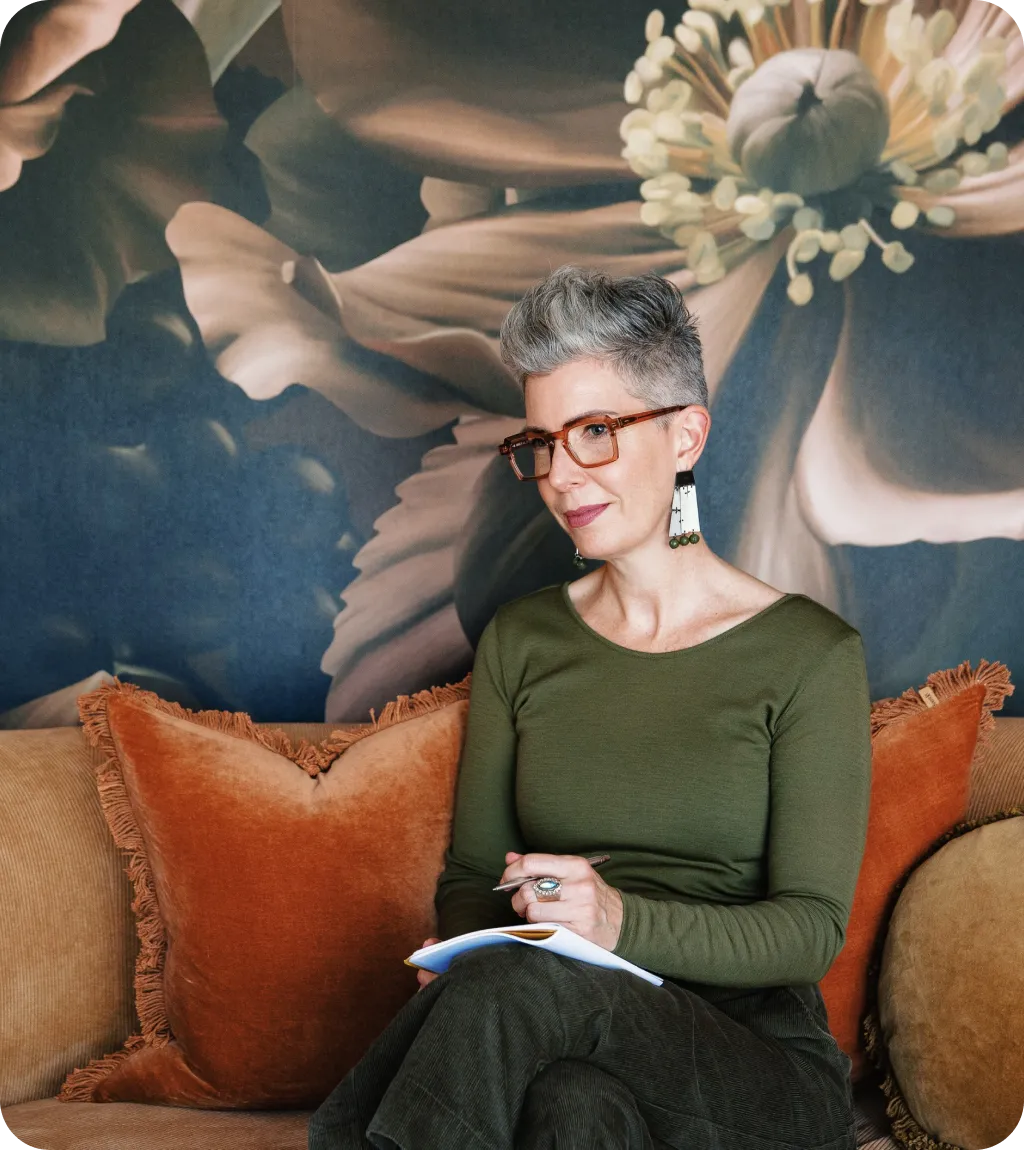
Meet Ashra
As a Clinical Psychologist, I am dedicated to providing a compassionate, collaborative, and secure therapeutic environment in which clients can explore their experiences, make sense of difficulties, and reconnect with meaning, purpose, and a grounded and authentic sense of self.
My therapeutic orientation is integrative and evidence-based, informed by both contemporary psychological research and an appreciation for the complexity of human development and experience. While my primary framework is Schema Therapy, my practice also draws upon Depth and Existential Psychology, Ecopsychology, Somatic Psychology, and Neuroaesthetics. As an ISST-Certified Advanced Schema Therapist, I integrate mindfulness, compassion-focused, and nature-informed approaches to support trauma recovery and emotional growth in a way that honours each person’s pace and readiness.
Outside of clinical work, I have a particular interest in the interplay between culture, nature, and the psyche—how our internal worlds are shaped by, and in turn shape, the environments we inhabit. I view my work not only as a means of alleviating distress, but as a process of developing insight, flexibility, and the capacity to live with authenticity and resilience through life’s complexities.
Frequently Asked Questions
It’s natural to have questions before beginning therapy. We’ve answered some of the most frequently asked questions below so you can feel informed and at ease before getting started.
What can I expect in my first session?
It’s common to feel uncertain before beginning therapy. The first session is a conversation about what has been happening for you and what feels important to understand or explore. We may discuss your background, current concerns and psychological symptoms and what you hope to gain from therapy. This also offers an opportunity for you to get a sense of the therapeutic process and whether this approach feels like a good fit for you.
Do you offer telehealth sessions?
Yes. While many people find in-person sessions helpful—especially at the beginning—telehealth is also available if this is more suitable for your circumstances. If we are considering telehealth as the primary way of working together, we will discuss this collaboratively to ensure it aligns with your needs. All telehealth sessions are held through a secure, private online platform.
How long will I need to come to therapy?
The length of therapy varies. It depends on what you would like to work through, your goals, and the pace that feels right for you. Some individuals prefer shorter-term support, while others choose longer-term work to explore more complex or longstanding patterns. This is something that we will discuss together early in the therapy process. As a Schema Therapist, I often support clients over a longer period of time.
Can I claim Medicare rebates?
Yes. If you have a current Mental Health Treatment Plan from your GP, Medicare rebates are available for sessions with a Clinical Psychologist. You are also welcome to attend privately without a referral, if you prefer.
Rebate and fee information will be outlined clearly prior to your first appointment.
What kinds of concerns do you work with?
I work with adults experiencing a range of emotional, relational, and life-based challenges, including experiences of anxiety, low mood, stress, self-criticism, complex or developmental trauma, grief, and self-concept.
My approach is integrative and trauma-informed, with Schema Therapy forming the foundation of my practice, alongside ACT, CFT, and CBT. Together, we explore your experiences with curiosity and care, supporting greater understanding and flexibility in how you relate to yourself and others.
Taking the first step toward change?
If you're thinking about therapy or have questions, get in touch. We'll be here to provide information and help you find a path forward that feels right for you.